
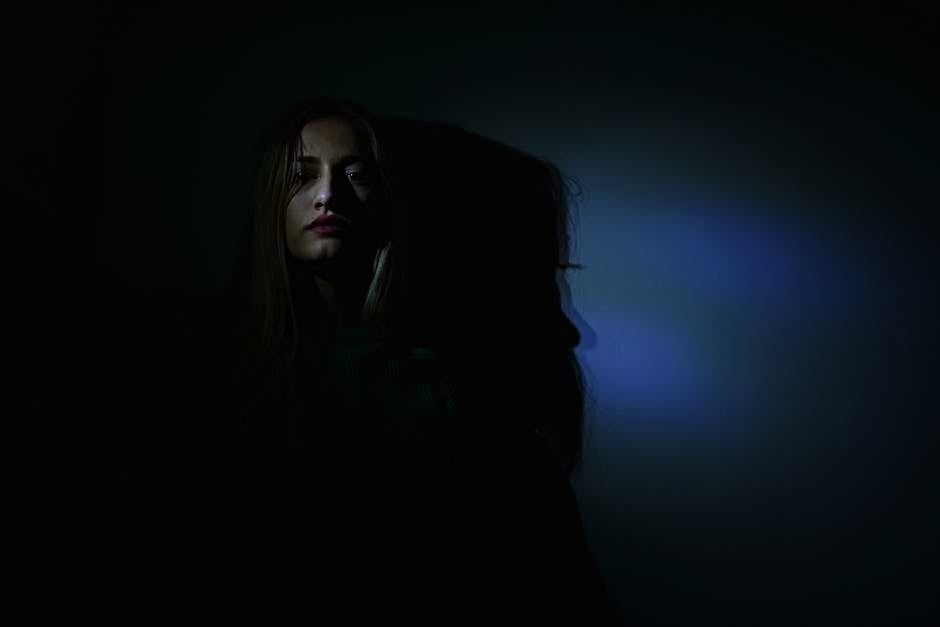
Understanding the Power of Lighting
Lighting isn’t just a finishing touch it’s the invisible hand shaping how we see a space. The same wall color can look crisp or muddy depending on the angle and intensity of the light hitting it. Soft shadows can make a room feel cozy, while sharp, direct light can flatten features and strip depth. Shape, color, and even room size are all interpretive light creates the illusion.
Natural light brings out truer colors and adds a sense of rhythm to a space. Use it when you want softness and organic variation mornings in the kitchen, golden hour nooks for reading. But it’s unreliable. That’s where artificial lighting steps in: it gives you control. Use cooler artificial light when you need focus and alertness (think home office or laundry), and apply warmer tones for comfort zones like living rooms and bedrooms.
The real trick is layered lighting. Ambient lighting sets the baseline usually your main ceiling source or a general glow. Task lighting is specific: a desk lamp, under cabinet strip in the kitchen, a focused reading sconce. Accent lighting adds drama a backlight behind the TV, a spotlight on art, a glow from behind a shelf. When these are done right, your space has depth, warmth, and edge all at once. It’s not about flooding a room with LEDs; it’s about drawing the eye and defining the vibe.
Choosing the Right Fixtures
Lighting isn’t just about brightness it’s about intention. The right fixture can elevate a space without saying a word. Spotlights are your go to for highlighting specific features: artwork, display shelves, or a textured accent wall. They’re precise, clean, and work best where you want the eye to land. Sconces bring in ambient warmth while staying out of the way ideal for bedrooms, hallways, or reading nooks where space is tight but mood matters.
Pendants make a statement. Use them where people gather over kitchen islands, dining tables, or entryways. The size and drop height are key here: get those wrong, and the whole room feels off. Track lighting is for those who want flexibility and function. It’s great in multi use spaces like home studios or open plan living areas where lighting needs shift depending on what’s going on.
Match fixture style to room purpose. A kitchen needs bright, task oriented light pendants or recessed LEDs do the trick. Bedrooms benefit from layered, softer sources like dimmable sconces or small table lamps. In living rooms, think adaptable floor lamps for reading, a statement chandelier to set the tone, and maybe hidden LEDs to tuck warm glow into architectural edges.
Finally, smart bulbs and dimmable LEDs give you control. Whether it’s shifting from concentrated daylight tones while you work to warm glows at night, tech driven lighting gives you range. Automation adds convenience, but the real win? Lighting that fits how you live, not the other way around.
Playing with Warm and Cool Tones
Color temperature isn’t just a technical detail it shapes the entire feel of your space. The Kelvin scale, which ranges from warm (around 2700K) to cool (6500K+), is your go to framework. Lower numbers give off a soft, amber glow think candlelight, fireplaces, cozy cafés. Higher numbers give you a crisp, bluish cast usually found in daylight or a high efficiency office.
Warm lights are your best friend for creating comfort. They work well in bedrooms, dining areas, or any space where you want to slow down and unwind. On the flip side, cool lights are energizers. Use them in spaces where focus or alertness matters kitchens, home offices, workout zones.
But tone blending doesn’t have to mean chaos. Layering warm and cool lights in a single room can work, as long as you anchor each light to its purpose. A warm floor lamp in a corner reading nook pairs just fine with a cooler spotlight over a workspace. The goal is contrast with intention, not competition. You’re sculpting atmosphere, not blasting light everywhere.
LED Innovations That Level Up Your Space

LEDs aren’t just the energy saving alt to old school bulbs they’re now the MVPs of lighting design. Compared to incandescents or halogens, LEDs last longer, use less power, and give you more control. That means lower electric bills and fewer ladder climbs to replace a bulb. They’re practical, but also versatile enough to elevate your space.
Then there’s the ambiance game. Color changing LEDs let you shift the mood with one tap, from warm tones for relaxed evenings to cool whites for sharp morning focus. Some even let you automate based on time of day or natural light levels. Design wise, it’s a quiet revolution: lighting that adapts to you, not the other way around.
As for budget? Splurge on centerpiece zones living rooms, entryways, or wherever you entertain. High quality LED strips or smart bulbs here pay off in both style and function. You can save in task heavy areas like laundry or closets, where you need the light, but not the mood. Bottom line: invest where it makes a visible difference, and be strategic everywhere else.
Synchronizing Color and Light
Lighting doesn’t just illuminate it enhances. When paired thoughtfully with the right interior palette, it can sharpen visual contrast, deepen textures, and even shift a room’s emotional tone. In short: light is color’s greatest ally.
To maximize visual impact, start by syncing your fixtures with your room’s dominant color scheme. Bold tones like deep blues, emerald greens, or rich terracottas respond best to focused, directional lighting. Think spotlights or pendants that highlight texture and create shadows. This adds drama and draws the eye naturally.
On the flip side, neutrals love softness. Beige, taupe, and off whites come alive under diffused, ambient light that spreads evenly. Wall washers or filtered sconces keep things calm without looking flat. This combo brings quiet elegance, especially in minimalist or modern spaces.
Warm lighting (around 2700K 3000K) enhances earth tones and makes reds, oranges, and browns pop. Cooler lighting (4000K 5000K) makes blues and greys feel sharper and cleaner. Don’t mix them randomly. Choose tone based on the dominant palette and the atmosphere you want to nail.
Small improvements like angling a lamp to graze a navy sofa or adding an LED strip behind a matte accent wall carry big visual weight. For more tactical ideas, check out these color highlight techniques.
Focal Points and Visual Flow
Lighting isn’t just about visibility it’s a powerful design tool that guides the eye and creates a sense of flow within a space. When used with intention, directional lighting can elevate the style and structure of your interiors.
Create Depth and Focus with Directional Lighting
Directional lighting is your best friend when you want to add dimension or highlight specific zones:
Spotlights can illuminate a reading nook or accent wall
Track lighting offers adjustable beams for flexible emphasis
Wall washers create smooth, even light that adds perceived depth to flat surfaces
Use these tools to build drama and shape within a room.
Highlight What Matters Most
Think of lighting as a spotlight for your design highlights. Use it to draw attention to:
Artwork or photography Use adjustable recessed lights or gallery style spots
Architectural details Columns, arches, or textured walls benefit from uplighting or sidelighting
Statement furniture pieces Pendant lights can subtly frame standout chairs or tables
Intentional lighting can make these features feel curated and important.
Guide the Eye, Room by Room
One of the subtler, yet most important, roles of lighting is to create visual flow. Strategic placement helps guide the viewer through a space with purpose.
Tips for creating flow:
Start with ambient lighting to establish the general tone
Layer in task lighting for functional areas
Add accent lighting to pull attention and connect elements
Use consistent color temperature across fixtures to maintain unity
Intentional lighting design leads the eye smoothly from one focal point to the next, bringing balance and harmony to your space.
Final Optimization Tips
Lighting isn’t just a utility it’s a tool. That means control matters. Dimmers should be standard in any serious setup. Being able to shift the mood from bright and functional to soft and relaxed, without swapping bulbs or flipping switches, is a game changer. Especially in multi use spaces, flexibility is non negotiable.
Another overlooked trick? Use surfaces. Bouncing light off a wall or ceiling smooths out harsh shadows and fills dead corners that can suck the energy out of a room. It’s a simple move that adds depth, especially in small or asymmetrical spaces.
Lastly, don’t ignore color interplay. Lights aren’t neutral they amplify or dull every color they touch. If you want to elevate your space’s vibe, use these color highlight techniques to make your choices intentional, not accidental.
 Koralia Zyphandra writes the kind of highlight hub content that people actually send to each other. Not because it's flashy or controversial, but because it's the sort of thing where you read it and immediately think of three people who need to see it. Koralia has a talent for identifying the questions that a lot of people have but haven't quite figured out how to articulate yet — and then answering them properly.
They covers a lot of ground: Highlight Hub, Living Space Concepts and Innovations, Interior Design Styles and Trends, and plenty of adjacent territory that doesn't always get treated with the same seriousness. The consistency across all of it is a certain kind of respect for the reader. Koralia doesn't assume people are stupid, and they doesn't assume they know everything either. They writes for someone who is genuinely trying to figure something out — because that's usually who's actually reading. That assumption shapes everything from how they structures an explanation to how much background they includes before getting to the point.
Beyond the practical stuff, there's something in Koralia's writing that reflects a real investment in the subject — not performed enthusiasm, but the kind of sustained interest that produces insight over time. They has been paying attention to highlight hub long enough that they notices things a more casual observer would miss. That depth shows up in the work in ways that are hard to fake.
Koralia Zyphandra writes the kind of highlight hub content that people actually send to each other. Not because it's flashy or controversial, but because it's the sort of thing where you read it and immediately think of three people who need to see it. Koralia has a talent for identifying the questions that a lot of people have but haven't quite figured out how to articulate yet — and then answering them properly.
They covers a lot of ground: Highlight Hub, Living Space Concepts and Innovations, Interior Design Styles and Trends, and plenty of adjacent territory that doesn't always get treated with the same seriousness. The consistency across all of it is a certain kind of respect for the reader. Koralia doesn't assume people are stupid, and they doesn't assume they know everything either. They writes for someone who is genuinely trying to figure something out — because that's usually who's actually reading. That assumption shapes everything from how they structures an explanation to how much background they includes before getting to the point.
Beyond the practical stuff, there's something in Koralia's writing that reflects a real investment in the subject — not performed enthusiasm, but the kind of sustained interest that produces insight over time. They has been paying attention to highlight hub long enough that they notices things a more casual observer would miss. That depth shows up in the work in ways that are hard to fake.