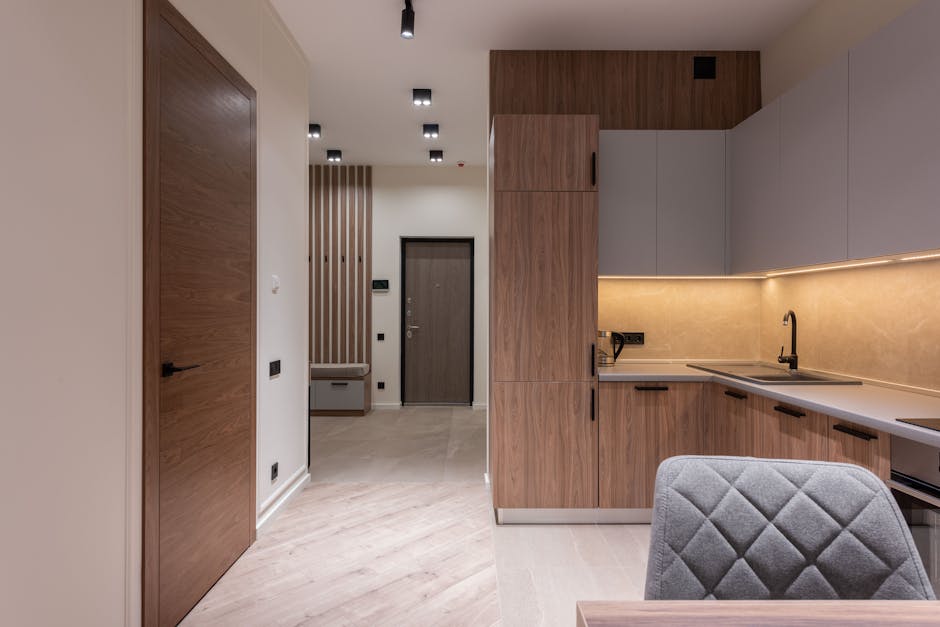

Why Smart Doesn’t Have to Look “Techy”
One of the biggest myths about smart homes is that they all have to look like something out of a sci fi flick sleek, minimal, and a little cold. That doesn’t have to be the case. A smart home can feel warm, lived in, and full of personality. The key isn’t avoiding tech, it’s integrating it intentionally.
Think texture. Think character. Think devices that disappear into reclaimed wood shelving or lighting that blends into a cozy reading nook. When done right, smart tech doesn’t scream for attention it quietly makes life easier in the background.
The mindset shift? Design first, not gadget first. Instead of starting with a smart speaker and building a room around it, start with how you want your home to look and feel. Then bring in tech that matches that vibe. Choose pieces that complement your materials, your colors, your lifestyle.
In 2024, smart homes are growing up. They’re not just about features anymore they’re about fit.
Invisible Tech: Hiding Smart Devices in Plain Sight
Smart homes don’t need to scream technology. The best setups whisper it through clean lines, stealthy installs, and design cues that blend, not clash. Recessed speakers are a perfect example. Tuck them into ceilings or behind panels, and they keep your space sleek while still pumping out premium sound. Same with control hubs hide them in drawers or behind cabinet doors. Function stays, clutter goes.
Mounting also plays a role. Wall mounted switches and screens can look like part of the architecture when they’re framed right or set flush with the wall. There’s no reason to mess with your room’s vibe just to add automation.
And finally: finishes. No one wants a glossy plastic sensor trashing their warm oak sideboard. Match smart accessories to your style with materials like matte black, brushed metal, or even woodgrain skins. When you treat tech as part of the interior, not an afterthought, it disappears into the design and that’s the point.
Lighting That Sets the Mood and Disappears When It Should
Smart lighting is doing what good design always strives for creating impact without demanding attention. No one wants bare bulbs screaming ‘tech upgrade’ across the ceiling. The best setups now disappear into the space. Think LED strips tucked under floating shelves, bulbs hidden behind crown molding, or accent lights placed where they cast subtle glows instead of harsh spots.
It’s not just about placement; it’s about presets, too. Scene based lighting lets your home shift with your rhythm. Tap a setting and your space goes from ‘focused work mode’ to ‘low lit movie night’ without touching a dimmer switch. Hosting dinner? Dial in warm tones and indirect light to make everyone look a little better and feel a little more at home. Waking up? Set a gradual sunrise scene that eases you into the day without assaulting your senses.
If you’re looking for inspiration or practical setups, explore smart lighting ideas that stretch beyond just ‘on’ and ‘off.’ The goal here isn’t more light it’s better light, smarter light, and most importantly, invisible light that works in the background while your style stays front and center.
Voice Control Without a Visual Disruption

Voice assistants are useful but they don’t need to announce themselves with flashing lights and clunky shapes. The first step is choosing the right one for your space and lifestyle. Alexa integrates easily with a broad range of devices. Google Assistant plays nicely within Google’s ecosystem. Siri, if you’re Apple first, keeps things tight and secure. Pick one and stick with it. Mixing assistants usually creates more friction than freedom.
Now, where you place them matters. Skip the countertop clutter. Instead, wall mount a compact Nest Mini near the kitchen entrance, or tuck an Echo Dot into a bookshelf behind a plant. In some cases, you can build assistants right into walls or furniture think in wall control panels or table top voice units with discreet surfaces. The goal: access without the visual noise.
For multi room commands, go subtle. Install ceiling mics or central speakers that blend in. Voice responsiveness shouldn’t cost you the aesthetic of a calm, intentional space. This isn’t about turning your living room into a command station; it’s about creating a home that listens quietly and responds instantly without screaming, “I’m techy!”
Smart Furniture and Decor Inspired Tech
The line between furniture and device is blurring fast, and that’s a good thing. Smart gear is no longer confined to black boxes and blinking lights it’s sliding into your space with a cleaner footprint and more function.
Take coffee tables with built in wireless charging. They’re not sci fi anymore they’re everywhere, from boutique brands to big box retailers. The beauty? No more cables snaking across your living room. Just drop your phone on the table and refuel while you binge or chat.
Mirrors have gotten smarter, too. Some give you lighting presets optimized for makeup or grooming, while others throw in calendar reminders and weather forecasts with a swipe. Bonus points if the glass stays minimalist and clean, instead of looking like a touchscreen exploded on your vanity.
Then there are storage units pulling double duty end tables, nightstands, even shelving with discreet power banks and charging docks tucked inside. The win here is obvious: less clutter, more function, and no compromise on visual appeal. These aren’t clunky tech stations they’re just good pieces of furniture that happen to power your devices.
This is smart design done right. Functional. Invisible when it needs to be. And completely in tune with how real people live.
Material Pairing: Tech Meets Texture
Smart doesn’t have to feel synthetic. The latest home tech is ditching that shiny plastic look and blending into real materials things like wood, fabric, and unpolished stone. It’s a shift from gear that screams for attention to gear that earns its place. Think of a smart speaker wrapped in felt, or a thermostat framed in oak. Done right, these elements feel like part of the room, not an afterthought stuck on a wall.
Cables are still a reality, but they don’t have to look like a rat’s nest. Built in channels in furniture, floor runners with purpose, or cabinets designed to hide charging hubs good wire management now looks like any other clean design choice. The goal: nothing to trip over, nothing to squint at.
Finally, the small stuff matters. Smart switches and climate controls are getting face lifts, with customizable covers in natural finishes. Want your hallway switch to match your walnut trim? It’s doable. And that kind of detail keeps the tech from overriding your visual flow. Smart homes aren’t about more they’re about smarter choices that fit your style.
Keep It Cohesive Not Cluttered
Smart homes don’t have to feel like gadget museums. The biggest mistake people make? Buying tech first and trying to wedge it into their space later. Flip it. Start with a moodboard your colors, textures, and what kind of vibe you want to live in day to day. Once you have that palette, only then pick your smart elements to match or disappear into that look.
Then, simplify your setup by sticking to one ecosystem if possible. Mixing Apple, Google, and SmartThings might give you more options, but you’ll likely spend more time troubleshooting than living. Cohesion matters not just in design, but in how your devices talk to one another.
And finally, think in layers. A sensor here, an automation there. It’s not about showing off 25 devices it’s how effortlessly the space works for you. Quality beats quantity every time. No clutter, just flow.
Final Touches That Make Smart Feel Personal
At its best, a smart home works quietly in the background, adapting to you instead of asking for attention. Automations based on your daily habits lighting that shifts when you usually wind down, a playlist that hums on as you start making coffee, or the thermostat adjusting a few degrees before bedtime can transform routine into comfort without extra effort.
This isn’t about overloading your space with flashy gadgets. It’s about subtle changes that make your day feel smoother, more considered. And the best setups go beyond utility. They elevate how a room feels. Curious what that could look like? Browse more smart lighting ideas for inspiration that blends function with atmosphere.
The goal is simple: let the tech serve your lifestyle, not shape it. When done right, the smartest room is the one you don’t even notice is smart.
 Koralia Zyphandra writes the kind of highlight hub content that people actually send to each other. Not because it's flashy or controversial, but because it's the sort of thing where you read it and immediately think of three people who need to see it. Koralia has a talent for identifying the questions that a lot of people have but haven't quite figured out how to articulate yet — and then answering them properly.
They covers a lot of ground: Highlight Hub, Living Space Concepts and Innovations, Interior Design Styles and Trends, and plenty of adjacent territory that doesn't always get treated with the same seriousness. The consistency across all of it is a certain kind of respect for the reader. Koralia doesn't assume people are stupid, and they doesn't assume they know everything either. They writes for someone who is genuinely trying to figure something out — because that's usually who's actually reading. That assumption shapes everything from how they structures an explanation to how much background they includes before getting to the point.
Beyond the practical stuff, there's something in Koralia's writing that reflects a real investment in the subject — not performed enthusiasm, but the kind of sustained interest that produces insight over time. They has been paying attention to highlight hub long enough that they notices things a more casual observer would miss. That depth shows up in the work in ways that are hard to fake.
Koralia Zyphandra writes the kind of highlight hub content that people actually send to each other. Not because it's flashy or controversial, but because it's the sort of thing where you read it and immediately think of three people who need to see it. Koralia has a talent for identifying the questions that a lot of people have but haven't quite figured out how to articulate yet — and then answering them properly.
They covers a lot of ground: Highlight Hub, Living Space Concepts and Innovations, Interior Design Styles and Trends, and plenty of adjacent territory that doesn't always get treated with the same seriousness. The consistency across all of it is a certain kind of respect for the reader. Koralia doesn't assume people are stupid, and they doesn't assume they know everything either. They writes for someone who is genuinely trying to figure something out — because that's usually who's actually reading. That assumption shapes everything from how they structures an explanation to how much background they includes before getting to the point.
Beyond the practical stuff, there's something in Koralia's writing that reflects a real investment in the subject — not performed enthusiasm, but the kind of sustained interest that produces insight over time. They has been paying attention to highlight hub long enough that they notices things a more casual observer would miss. That depth shows up in the work in ways that are hard to fake.