Have you ever scrolled past a social media account that felt intentionally gloomy or melancholic and wondered what it was all about? It’s a bit confusing, right? These profiles are part of a trend known as perfil usuario triste, or “sad user profile.”
I’m here to break down what these profiles are, why they’re so popular, and what they say about how we express ourselves online. By the end, you’ll get a full picture of this aesthetic, the psychology behind it, and its cultural significance. Trust me, it’s more than just a bunch of sad posts.
What Exactly Is a ‘Sad User Profile’?
A sad user profile is a curated online identity, most common on platforms like TikTok and Discord, that uses aesthetics of sadness, nostalgia, and melancholy for self-expression.
It’s often less about a person’s real-time emotional state and more about embracing a specific artistic or emotional theme. This trend has roots in earlier internet subcultures like emo, vaporwave, or the moodiness of early Tumblr blogs.
These profiles thrive on TikTok, Instagram, and Discord. The aesthetic is a form of curated identity, which differentiates it from a user’s private, offline reality or a genuine cry for help.
I remember when I first saw a perfil usuario triste. I thought it was just someone going through a rough patch. But as I dug deeper, I realized it was more about creating a vibe.
It’s a way to connect with others who share similar feelings or appreciate the same aesthetic.
One mistake I made was assuming these profiles were always a sign of distress. I learned that it’s important to understand the context and not jump to conclusions. These profiles can be a creative outlet, a way to express complex emotions, or simply a part of an online persona.
The Anatomy of the Aesthetic: Key Visual and Textual Elements
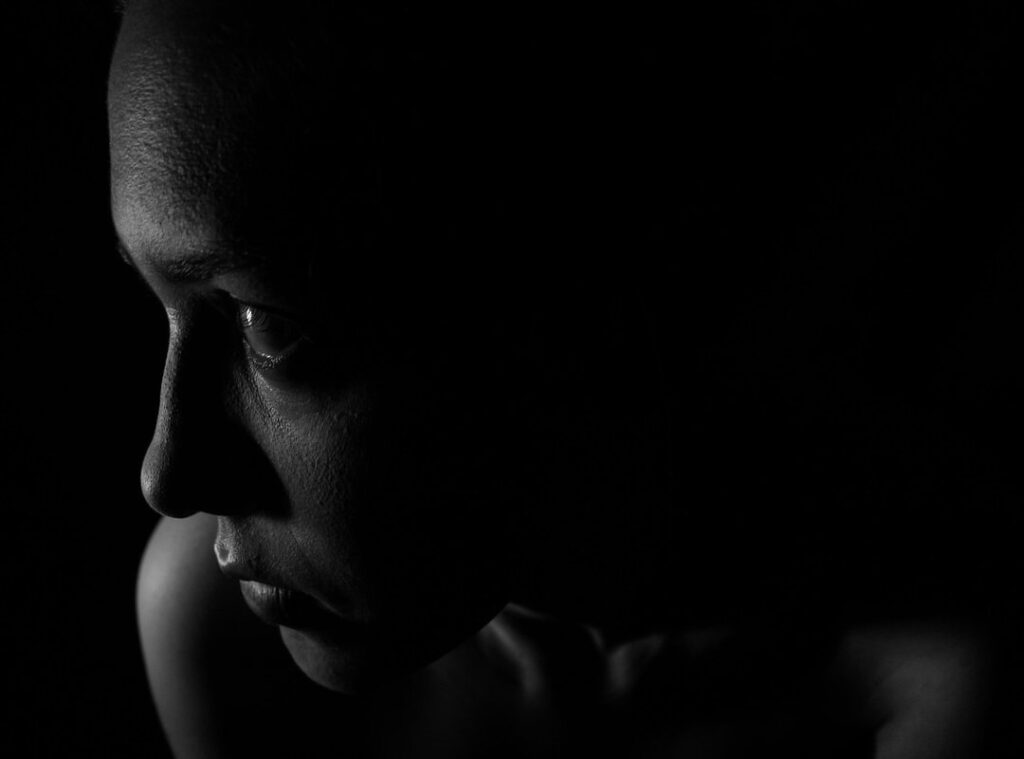
When you dive into the world of perfil usuario triste, you’ll notice a few common types of profile pictures (PFPs). Often, they’re blurry or out-of-focus photos, sad anime characters, dark and moody landscapes, or obscure, grainy art.
Usernames and bios are just as telling. There’s a strong preference for all-lowercase text, cryptic symbols, melancholic song lyrics, or short, poignant phrases like “just existing” or “in another life.”
The content shared or created is equally distinctive. Video edits of sad movie scenes, posts featuring lo-fi music, sharing melancholic poetry, or text posts about loneliness and nostalgia are the norm.
Visually, the dominant themes are heavily desaturated colors, black and white filters, film grain effects, and recurring imagery of rain, night skies, or empty rooms.
Let’s take a concrete example. Username: silent.echoes // Bio: ‘the night remembers’ // PFP: A grainy photo of a single streetlamp in the fog. This encapsulates the aesthetic perfectly.
Another one: Username: faded.hope // Bio: ‘lost in the silence’ // PFP: A blurred image of a lone figure standing in the rain.
These profiles create a cohesive and evocative atmosphere, making it clear why this aesthetic resonates with so many.
More Than a Trend: The Psychology Behind Curating Sadness
I remember the first time I stumbled upon a perfil usuario triste on social media. It was like finding a hidden corner of the internet where people weren’t afraid to show their vulnerable side.
These profiles are more than just a trend. They offer a safe space for self-expression, especially for those who feel stigmatized in face-to-face interactions. perfil usuario triste
Why do we need this? Because sometimes, it’s hard to open up about our feelings in real life. Online, you can be more honest without the fear of judgment.
There’s also a powerful element of community and belonging. Users with similar profiles connect, creating a subculture built on mutual understanding and validation. It’s like finding a group of friends who get you, even if you’ve never met them in person.
This trend functions as a modern coping mechanism. The act of curating the aesthetic can be a controlled, creative way to process difficult feelings. It’s not about wallowing; it’s about expressing and understanding.
Popular media plays a big role too. Sad songs from artists like Billie Eilish or Lana Del Rey, certain anime, and indie films provide the source material and inspiration. These works often explore deep, melancholic themes that resonate with many.
Finding beauty in melancholy is another key aspect. The goal isn’t to be sad, but to appreciate the artistic and emotional depth of these themes. It’s about seeing the beauty in the sadness, and that can be incredibly therapeutic.
The Fine Line: Supportive Community vs. Emotional Echo Chamber
Online communities can be a lifeline. They reduce feelings of isolation and offer peer support for those feeling misunderstood.
But there’s a flip side. These spaces can turn into echo chambers where sadness is constantly reinforced or even romanticized. That’s not healthy.
I’ve seen it happen. People start by sharing their struggles, which is good. But then, they get stuck in a loop of negativity.
It’s like a perfil usuario triste that never changes.
We need to distinguish between engaging with an aesthetic and experiencing a real mental health issue. If you’re just enjoying the vibe, that’s one thing. But if you’re struggling, you need real support.
As a creator, be mindful. Share your experiences, but also offer hope and resources. As a viewer, take a step back if you notice it’s affecting your mood.
Find a balance.
It’s about being part of a supportive community without getting lost in an emotional echo chamber.
A New Language for Online Emotion
The perfil usuario triste is a complex and nuanced form of digital communication, not just a simple declaration of sadness. This trend is fueled by a human need for community, artistic expression, and emotional validation in the digital age. These profiles serve as a fascinating case study in how we build identity and communicate our inner worlds online.
As the language of online self-expression continues to evolve, it reflects the deep and intricate ways we seek to be understood and connected.
 Williams Unruhandieser is the kind of writer who genuinely cannot publish something without checking it twice. Maybe three times. They came to home efficiency hacks through years of hands-on work rather than theory, which means the things they writes about — Home Efficiency Hacks, Interior Design Styles and Trends, Living Space Concepts and Innovations, among other areas — are things they has actually tested, questioned, and revised opinions on more than once.
That shows in the work. Williams's pieces tend to go a level deeper than most. Not in a way that becomes unreadable, but in a way that makes you realize you'd been missing something important. They has a habit of finding the detail that everybody else glosses over and making it the center of the story — which sounds simple, but takes a rare combination of curiosity and patience to pull off consistently. The writing never feels rushed. It feels like someone who sat with the subject long enough to actually understand it.
Outside of specific topics, what Williams cares about most is whether the reader walks away with something useful. Not impressed. Not entertained. Useful. That's a harder bar to clear than it sounds, and they clears it more often than not — which is why readers tend to remember Williams's articles long after they've forgotten the headline.
Williams Unruhandieser is the kind of writer who genuinely cannot publish something without checking it twice. Maybe three times. They came to home efficiency hacks through years of hands-on work rather than theory, which means the things they writes about — Home Efficiency Hacks, Interior Design Styles and Trends, Living Space Concepts and Innovations, among other areas — are things they has actually tested, questioned, and revised opinions on more than once.
That shows in the work. Williams's pieces tend to go a level deeper than most. Not in a way that becomes unreadable, but in a way that makes you realize you'd been missing something important. They has a habit of finding the detail that everybody else glosses over and making it the center of the story — which sounds simple, but takes a rare combination of curiosity and patience to pull off consistently. The writing never feels rushed. It feels like someone who sat with the subject long enough to actually understand it.
Outside of specific topics, what Williams cares about most is whether the reader walks away with something useful. Not impressed. Not entertained. Useful. That's a harder bar to clear than it sounds, and they clears it more often than not — which is why readers tend to remember Williams's articles long after they've forgotten the headline.