
Scale Back, Think Bigger
Small doesn’t have to feel tight. That’s the first rule of micro living that seasoned designers understand. Shrinking square footage isn’t about sacrifice it’s about stripping away what you don’t need, and doubling down on what you actually use. When space gets limited, design gets sharper. Every inch is asked to work harder, smarter, and more intentionally.
It starts with a mindset shift. Instead of thinking about how big a room should be, think about what needs to happen inside it. Activities, not dimensions, drive layout. You’re not building a big kitchen you’re creating a compact cook space that stores well and moves easily. You’re not squeezing in a bedroom you’re layering a bed into a sleeping zone that also handles storage. It’s utility over ego.
Designers building micro homes tend to borrow principles from boats, RVs, and cabins. Why? Because those environments mastered space efficiency long ago. Think foldaway tables, under seat compartments, and wall mounted essentials. Everything has a second job. A bench stores gear. A headboard hides shelving. This isn’t clutter it’s function turned compact.
The best small spaces don’t claw back square footage. They reframe the question completely. The result? Homes that feel light, clean, and smart without wasting a single inch.
Smart Layouts That Work Hard
When square footage is limited, every inch has to earn its keep. The best micro living designs don’t try to squeeze traditional layouts into tight spaces. Instead, they reimagine what a home needs to be zoned, vertical, and versatile.
Zoning is step one. Open floor plans can still feel organized when you create invisible boundaries. Think rugs, lighting, or strategic furniture placement to define sleep, work, and eat zones no drywall necessary.
Then there’s the forgotten frontier: vertical space. Wall height isn’t just for art. Hang shelving up to the ceiling. Install fold down desks and wall mounted bikes. Storage cubes above door frames? Yes. Ladder access closets? Also yes. Going up gives you floor space back.
Layout flexibility also matters. Your dining table should double as a workstation. A bench becomes storage. Your couch turns into a guest bed. The goal is furnishings that shift with your day, not just look pretty. Convertible sofas, Murphy beds, ottomans with lift tops all staples.
Smart design in micro living is ultimately about function disguised as ease. If your furniture can transform, tuck away, or serve more than one purpose, you’re on the right track.
Light, Color, and Materials Psychology
When you don’t have square footage, you have to get clever with perception. Color, light, and finish are your first tools for turning small into spacious.
Start with color: soft tones think warm whites, dusty pastels, and muted neutrals tend to reflect more light and make walls recede visually. Avoid harsh contrasts; they break up space and make every boundary more noticeable. Uniformity is your friend here.
Next up: materials that bounce light around. Glass elements, large mirrors, and reflective finishes don’t just look sleek they literally open up rooms by pulling in and multiplying whatever daylight you’ve got. Mirror panels on closet doors or a metallic backsplash in the kitchen can go a long way.
Finally, don’t mix five different wood grains or tile textures if space is tight. Keep your materials consistent. Matte white walls, pale oak floors, brushed metal accents minimal variation means your eyes glide across surfaces without interruption. Less noise = more room, at least visually. It’s not about being boring; it’s about being intentional.
Storage That Disappears
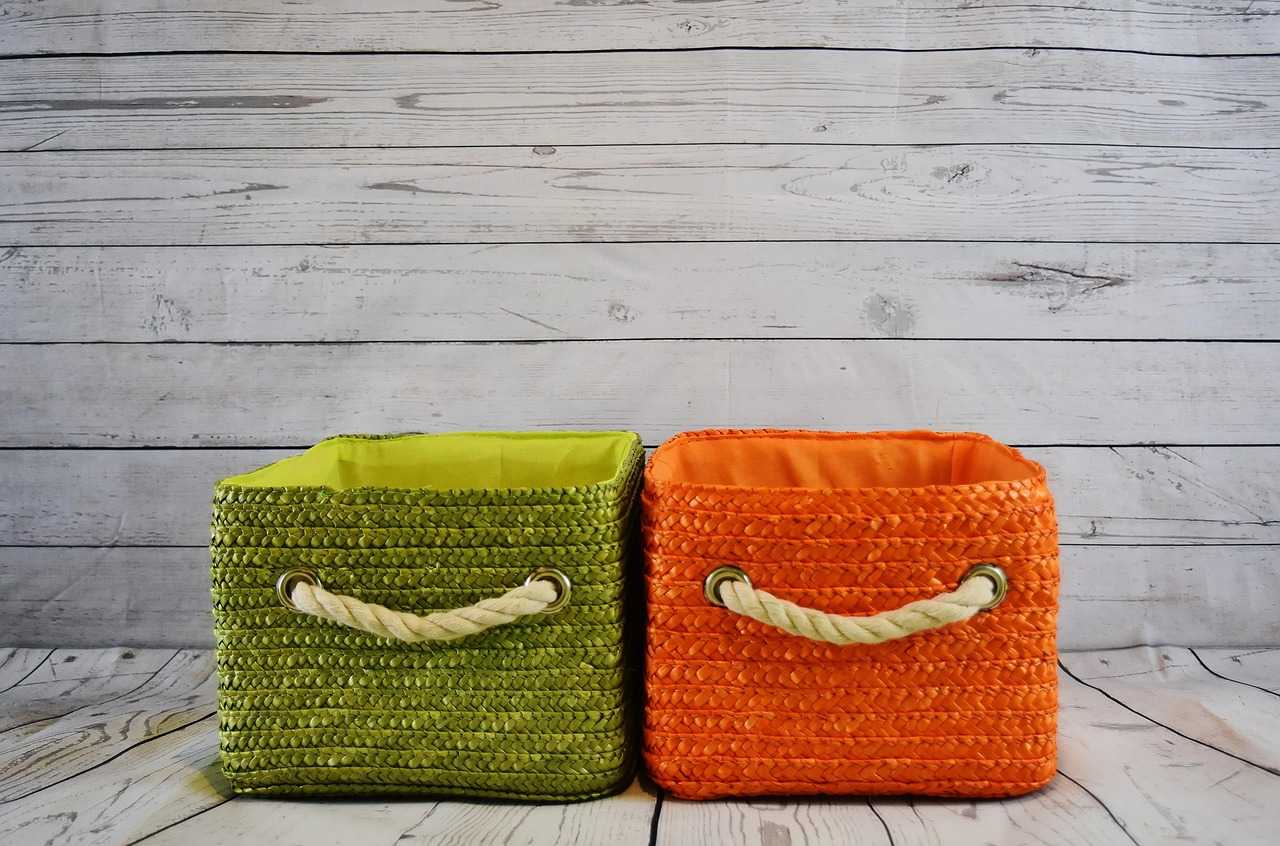
In micro living spaces, storage has to work harder and go invisible. Every square inch counts, which is why underfloor compartments, overhead shelves that blend into ceiling lines, and built in cabinetry are staples instead of luxuries. The goal isn’t just squeezing more in it’s hiding it out of sight, out of mind.
Closets are no longer the default. Smart design carves storage into niches between studs, drawers under stairs, or even inside lift top beds. Raised platforms can double as both seating and secret stash spots. It’s about turning dead zones into utility zones without crowding the space.
That said, no design hack makes up for holding onto junk. In tight quarters, excess stuff just becomes visual noise and stress. The golden rule? Keep what earns its place. If it doesn’t serve daily life or spark some kind of joy, it’s in the way. Micro living works best when you commit own less, hide smarter.
Designing for Function, Not Just Form
Minimalism isn’t about cold white walls or owning exactly four forks. In micro living, it’s about ruthless prioritization making sure every inch of space serves an actual purpose. When you’ve only got 300 square feet to work with, there’s no room for decorative regrets.
Function rules here. Flow comes first: can you get from the bed to the coffee maker without tripping over a side table? Can your workspace vanish when it’s dinner time? A great micro living layout doesn’t try to cram in everything it features only what you use daily, nothing more.
Some of the smartest designs don’t lead with style. They lead with use. Think of a fold down desk that doubles as a dining table, or a bed that lifts to reveal storage underneath. These layouts aren’t about Instagram moments they’re about living better in small footprints.
For examples that prove efficiency doesn’t kill style, take a look at the deep dive on small space efficiency. Less stuff. More space. That’s the formula.
How to Make Small Feel Inviting
A small space doesn’t have to feel like a shoebox. It starts with light. Prioritize large, unobstructed windows wherever possible and opt for materials that bounce light around glossy surfaces, muted tones, and mirrors placed strategically. Natural light makes tight quarters feel open and breathable.
Zoning matters. Even in a studio, you can carve out micro environments. A bed can be tucked into a cozy alcove with soft textures. A fold down table near a window becomes your café corner. A small rug or lighting shift can mark a workspace. Create zones that support how you actually live, even if they share square footage.
Noise is often overlooked, but it shouldn’t be. Thicker curtains, sound absorbing panels, and rugs can cut unwanted echoes and give the space a sense of calm. Peace and quiet help a place feel restful, not just tight.
And finally, keep it warm but minimal. Choose materials that bring in texture wood, soft fabrics, layered neutrals but skip the clutter. A simple space doesn’t have to be cold. It just needs to be intentional. The result: a home that may be small on space but feels big on comfort.
Tools, Tech, and Products That Help
When space is tight, every item has to carry its weight and then some. That’s where compact appliances step in. Think two burner induction cooktops, drawer style dishwashers, and under counter washer dryers. Brands like Breville, Bosch, and Miele have leaned into sleek, scaled down units that pack full sized function into minimal square footage. These aren’t toys they’re serious tools, repackaged for smarter spaces.
Smart tech also belongs in the micro living toolkit. Lighting that adjusts to time of day? Thermostats you manage from bed? Check. But it’s not about tech for tech’s sake it’s about streamlining your daily friction points. Systems from Ecobee, Lutron, and Google Nest integrate without taking up counter space or distracting from design. The right mix adds convenience and efficiency, not clutter.
As for furniture and fixtures? Go modular, foldable, and well reviewed. Look to brands like Article, Blu Dot, and Resource Furniture for compact couches, expandable dining tables, and wall beds that actually function without squeaks and headaches. In micro living, reliability matters more than ever because there’s no room for second chances.
Rethinking What “Enough” Looks Like
Living with less isn’t about restriction it’s about clarity. Once you strip away the clutter, what you’re left with is space to move, think, and live more deliberately. Micro living works best when it’s built around your actual day to day, not a fantasy of who you think you might become or how much stuff you ought to own. Everything has to earn its keep, and in doing so, what fills your space starts to actually matter.
Designing around lifestyle, not around things, shifts the focus. Instead of asking, “Where do I store this?” you’re asking, “Do I even need it?” That kind of thinking puts function at the center and reduces stress that comes from managing excess. Small spaces become places of clarity and momentum.
In the end, micro living isn’t about living with less it’s about wasting less. Less space unused. Less money spent on the unnecessary. Less energy poured into upkeep. What’s left is freedom: the kind that makes room for what matters most.
(Explore more approaches to small space efficiency)