
Why Flexibility in Home Design Matters
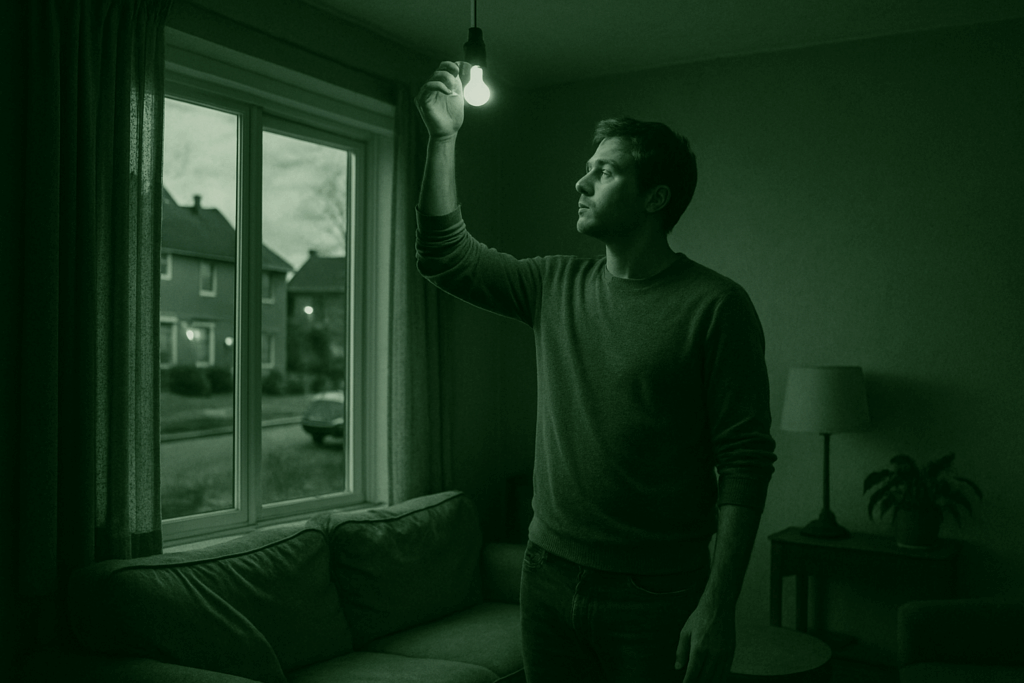
Life doesn’t stay still. One year you’re working from a coffee shop. The next, your kitchen table is your office desk, your living room your gym, and that awkward hallway corner? Now it’s where you take video calls. Remote work, growing families, downsizing whatever the change, our homes have had to catch up fast.
That’s where flexible design earns its keep. It’s not just about clever storage or stylish folding chairs. It’s about creating spaces that evolve when you do. Today’s homes have to play multiple roles and shift between them fast. A bedroom isn’t just a bedroom. It might be a workspace, a lounge, or storage overflow all in the same day.
Adaptable living isn’t just convenient. It’s a long term strategy. Building in flexibility now means your space won’t become obsolete later. Whether you’re renting an urban studio or remodeling a suburban home, smart design lets you meet this year’s needs and next year’s curveballs. Interesting isn’t enough anymore your home has to function. And keep up.
Smart Layouts That Work Harder
Space doesn’t need to be big to be smart it just needs to adapt. Open floor plans remain a strong foundation, but now they come with a twist: movable partitions. Sliding walls, foldable dividers, and rotating panels let one room serve multiple roles throughout the day, no remodel required.
Furniture is getting clever too. Think beds that disappear into walls, desks that fold into bookshelves, or ottomans that stash your gear. It’s not about gimmicks it’s about reclaiming every inch without sacrificing how a space feels.
Vertical space, often overlooked, is a goldmine. Floor to ceiling shelves, pulley based storage, or lofted beds with built in stations underneath can completely change how a room functions. It’s form meeting function, with height doing the heavy lifting.
Lastly, hybrid zones are key. A guest room that doubles as a home office may sound basic, but well executed zoning like hidden Murphy beds, convertible tables, or closet nooks retooled into workstations makes a big difference. These spaces do more with less, and they do it cleanly.
Small Space Efficiency Done Right

Living in a tiny home or compact city apartment isn’t about sacrifice it’s about strategy. Every square foot counts, and smart design turns small into smart. Think built ins that double as seating, beds that fold into walls, and tables that slip under one another when not in use. The goal is flexibility without fuss.
Take a look at homes where design solves more than just layout. A 300 square foot studio in Tokyo uses a raised platform to carve out hidden storage and a slide out desk. In New York, a micro apartment swaps fixed walls for sliding panels, creating either a living room, a bedroom, or an office depending on how the space is set.
Furniture carries the biggest load in these setups. Murphy beds disappear into clean cabinetry. Ottomans lift to reveal storage inside. Modular couches reconfigure depending on whether you’re hosting or hibernating. The trick is to start with what you need, then build around that function first, flair second.
For more streamlined ideas and real world inspiration, check out this guide to small space efficiency.
Materials and Tech That Support Change
The bones of a flexible home aren’t flashy they’re functional. Think shelving systems you can move around depending on what season you’re in, or how your needs shift over time. Modular cabinetry does the same: it gives you storage that can evolve as life does. Add in movable walls, and suddenly your space doesn’t lock you in it opens up.
Smart systems add another layer. Lighting and climate tech that adapt to how you’re using the room aren’t luxuries anymore they’re just smart upgrades. Whether you’re working, sleeping, or hosting friends, your space should meet you there, no fiddling required.
And then there’s longevity. Sustainable materials aren’t just about going green they’re about performance and payoff. The right ones resist wear and stay flex friendly, which means fewer replacements and fewer regrets in the long run.
Adaptable design starts with the right parts, and these are three you don’t want to skip.
Living for Right Now and What’s Next
Whether you rent a small apartment or own a house with room to spare, flexible thinking is a game changer. It’s not about knocking down walls or jumping into renovations. It’s about looking at your space differently. What can a corner desk become when you add smart lighting? Can a hallway closet double as a mudroom? These aren’t luxury upgrades they’re ways of stretching what you already have to meet shifting needs.
Flexibility pays off. For renters, it makes move ins smoother and move outs less painful. For owners, it adds long term value without bulky investment. The real win? A space that changes with you new job, new baby, new priorities without missing a step.
Doing more with less isn’t just some minimalist slogan. It’s practicality with purpose. For more ideas and solutions in action, check out this focused breakdown on small space efficiency.
Bottom Line: Function First
A flexible home isn’t a luxury anymore it’s a smart move. Whether you rent or own, adaptable design gives you more than just visual flair. It delivers value through long term use, comfort by aligning with how you actually live, and resilience to meet life’s curveballs.
The key is simple: your space should work for you, not the other way around. That means every room, corner, and piece of furniture should pull its weight. Maybe it’s a living room that becomes a home office by day, or a guest bedroom that moonlights as your yoga studio. These aren’t fancy upgrades they’re practical decisions that make life easier.
You don’t need to gut renovate to get started. Pick one room. Solve one problem. Add something that changes how you use the space. Real impact starts built in, not built on.