The Core of Japandi Style
Japandi is what happens when you strip away what’s unnecessary and leave only what works and feels good to live with. It’s the meeting point between Japanese minimalism and Scandinavian comfort. One anchors itself in simplicity and respect for space; the other brings in warmth, coziness, and human touch.
At its core, Japandi is clean lined, functional, and balanced. Spaces are laid out with intention. Colors lean neutral muted earth tones, calm greys, soft whites. There’s not much for flash, and that’s the point. Instead, everything has a role. Furniture is low profile, practical, and often made from raw natural materials. No clutter. No chaos.
This isn’t just a trend it’s hardwired to last. Unlike fads that fade as fast as they flare up, Japandi doesn’t chase attention. Its restraint is quiet, but confident. Living in a Japandi space feels calm because the design respects your space and your time.
Sustainability is not an afterthought here. It’s baked in. Think: solid wood instead of plasticky veneers, handmade ceramics over mass market trinkets. Fewer items, higher quality. You buy once, and you’re done. It’s slow living, in physical form.
Japandi isn’t trying too hard. That’s exactly why it works.
Functionality Without Clutter

Japandi interior design proves that beauty and utility aren’t mutually exclusive. The heart of this style lies in curating a functional, clutter free space that still feels inviting and warm.
Thoughtful Storage Solutions
Rather than crowding a room with unnecessary items, Japandi style embraces purposeful storage. The goal is to keep visuals clean while making everyday items easily accessible.
Hidden compartments: Built in cabinetry and concealed drawers reduce visual noise while maximizing utility.
Multi functional furniture: Think coffee tables with internal storage, or benches that double as containers every piece earns its place.
Planning for Calm
A Japandi space isn’t just well organized it’s thoughtfully arranged to encourage ease and flow.
Open layouts: Rooms are designed with enough negative space to allow for mental clarity and visual breathing room.
Intentional positioning: Furniture is arranged to optimize light, suggest routine, and support calm movement through the space.
Materials That Grow With You
Japandi interiors celebrate materials that don’t just look good when new they become more beautiful over time.
Natural wood, stone, and linen: Chosen for their durability and ability to age well.
Low maintenance, high impact finishes: Sealed woods, organic textures, and matte ceramics offer elegance without constant upkeep.
Harmony in the Everyday
Real life Japandi spaces prioritize objects that serve a purpose while maintaining visual harmony.
A minimal kitchen with streamlined wood cabinetry and an integrated dining space.
A hallway featuring a flush fitted storage unit that fades into the wall with soft lighting above.
A living room framed by clean lined sofas and a storage ottoman that hides extra blankets or tech equipment.
Japandi design offers more than aesthetics it supports simplicity, calm, and daily ease.
Explore more on Japandi style design
Visual Calm Through Intentional Choices
In Japandi design, serenity comes not from adding more, but from choosing better. This style champions mindful minimalism where every element is curated to support calm, without sacrificing function or personality.
A Palette of Neutrals
Neutral tones are fundamental in Japandi interiors not because they’re safe, but because they offer balance and flexibility.
Soft whites, taupes, and muted greys provide a calming visual base
Dark accents (like charcoal or deep browns) ground the space without overwhelming it
The goal is harmony rather than stark contrast
Far from being flat or dull, neutral shades are used to highlight simplicity and bring focus to textures and form.
Tactile Texture Over Loud Color
Instead of vibrant patterns or bright hues, Japandi leans into natural materials that appeal to the senses:
Linen for its understated elegance
Raw wood for warmth and organic variation
Bamboo and woven fibers for added depth and natural rhythm
These textures introduce detail and character, allowing the space to feel rich without visual noise.
Let There Be (Soft, Thoughtful) Light
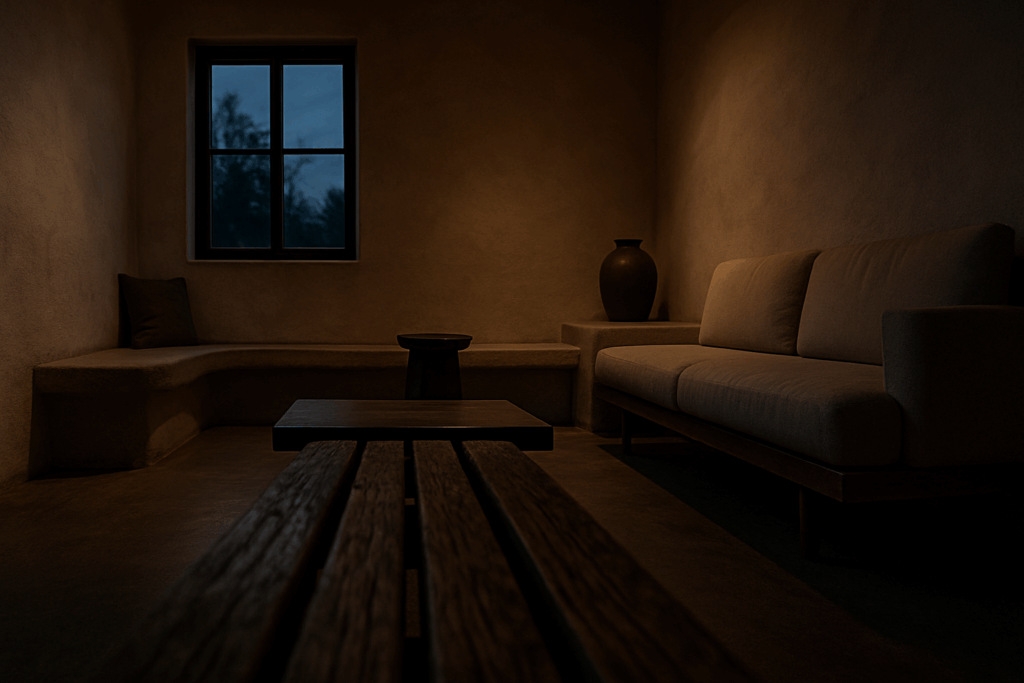
Lighting in Japandi interiors is subtle yet intentional. Whether it’s natural light filtered through sheer curtains or softly glowing lamps at night, the mood is always considered.
Diffused lighting enhances tranquility
Layered lighting (overhead, wall mounted, and floor lamps) allows flexibility throughout the day
Warm white bulbs help maintain a cozy, inviting feel
The “Less But Better” Philosophy
Japandi isn’t about emptiness it’s about meaningful space. The principle of “less but better” guides every decision, from furniture to decor.
Prioritize quality pieces that serve a purpose
Eliminate excess to make room for clarity and ease
Let negative space become a design feature, not a void
This deliberate restraint results in an environment that’s easy to live in and even easier to unwind in.
More insight: Japandi style design
Living With Purpose, Not Just Style
Japandi isn’t just about aesthetics it’s about living with intention. Every piece, every layout decision, is made to serve something bigger: your mental clarity, your relationships, your everyday rhythm. Spaces are designed to support rest without feeling sterile, focus without feeling rigid, and connection without distraction. That’s no accident. It’s design with direction.
The link between physical environment and emotional state isn’t new. What Japandi does is make that connection part of the blueprint. Soft, natural light. Furniture that doesn’t crowd. Materials that breathe. It’s an approach that encourages presence. In a world packed with noise, your home becomes your reset button.
And longevity? That’s baked in. Quiet design choices age better than fleeting trends. Japandi asks you to stop chasing more and instead, make peace with what actually matters. Let go of visual clutter. Keep what serves a purpose. Build a home that’s not just beautiful, but worth living in day in, day out.