
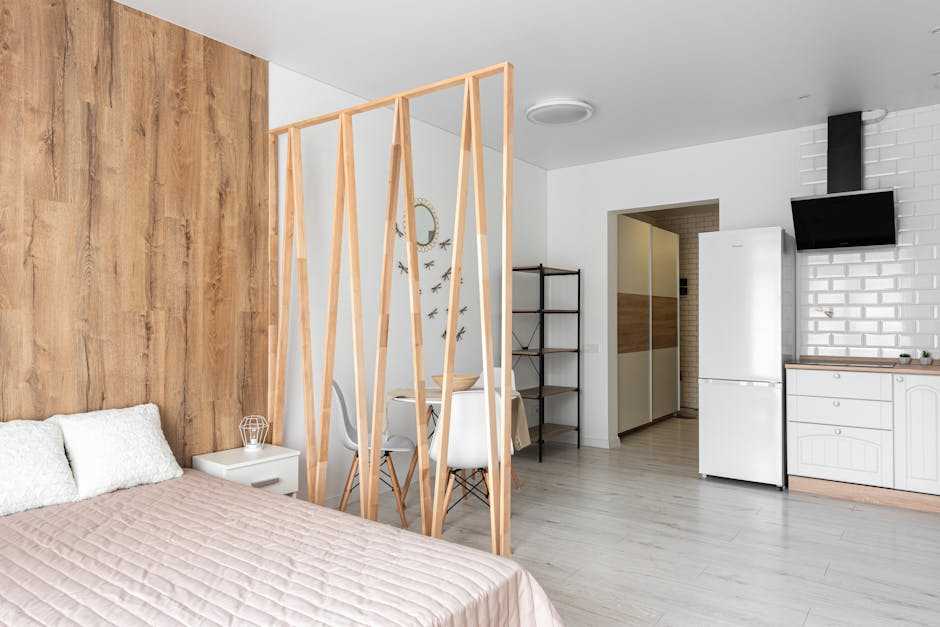
Why Natural Light Is a Game Changer
Natural light isn’t just nice to have it’s a quiet powerhouse when it comes to cutting utility costs. During the day, it slashes the need for electricity. Fewer lights on means lower bills, plain and simple. It’s a passive way to save without even thinking twice.
But the perks don’t stop at the wallet. Natural light has a real impact on how we feel. Swapping lamp glow for daylight lifts mood and sharpens focus. You’re not just saving energy you’re gaining it. Better lighting equals better days.
And here’s the kicker for colder months: homes that soak in sunlight stay warmer. South facing windows and a bit of smart design mean you use the heater less, especially in the afternoons. That’s less strain on your heating system and more comfort inside, free from the flick of a switch.
Strategic Home Layout for Daylight
Maximizing natural light starts with how your home is laid out. Certain design decisions can significantly increase the amount of daylight that reaches your living spaces and stick around longer throughout the day.
South Facing Windows: Your Secret Weapon
If you’re making updates to your home or evaluating a new one, pay close attention to window orientation.
South facing windows receive the most consistent and abundant sunlight year round (in the Northern Hemisphere)
Ideal for living rooms, kitchens, or high use areas that benefit from natural heat and illumination
Pair with wide window openings to make the most of passive solar gain in winter
Create Flow with Open Design
Walls block light. Open spaces send it further.
Open floor plans allow light to travel through multiple rooms without obstruction
Glass doors, especially between interior rooms or leading to patios, help extend and reflect daylight
Interior “cut outs” like pass throughs or indoor windows can spread light beyond exterior facing rooms
Choose Light Reflective Interiors
Soft, neutral colors do more than feel clean they serve a purpose.
Light colored walls and ceilings reflect more natural light than dark or saturated tones
Glossy finishes (like satin or semi gloss paint) help bounce light around a room
Avoid heavy or dark furniture near windows that can absorb or block valuable daylight
Every layout decision you make can brighten your home and lower your energy bill.
Window Choices That Pull Their Weight
Not all windows are created equal. If you’re serious about cutting your utility bills, it might be time to think bigger or at least smarter. Skylights flood central areas with natural light where vertical windows can’t reach. Bay windows and tall panes do more than look pretty they extend your sun exposure and can warm your space passively in cooler months.
But light isn’t the only thing coming through those openings. Heat loss (or gain) can undermine your energy savings fast. That’s why energy efficient glazing is a must. Double or triple pane windows with low E coatings keep heat in during winter and block it during summer. The result? Less need for artificial heating and cooling.
If you live somewhere sun heavy, tinting is worth looking into. It reduces solar gain without sacrificing brightness so you can enjoy the view without roasting in your living room.
Bottom line: whether you’re building new or upgrading old, the right windows pull double duty filling your home with light while protecting your power bill.
Design Tricks That Work Harder for You

You don’t need to tear down walls to brighten a space. Some of the most effective fixes are deceptively simple. Start with mirrors place them opposite or diagonal from windows. They don’t just bounce light around; they amplify it. A single large mirror can transform a dim corner into a soft lit nook without flipping a switch.
Ditch the blackout curtains unless you’re sleeping. Sheer curtains let in daylight while still giving you privacy. They cut glare without blocking the glow. Think of them as sunglasses for your windows.
Lastly, pay attention to your surfaces. Glossy tiles, satin finish paints, and lightly polished wood floors reflect light naturally. No batteries or wiring required just smarter material choices that push sunlight further into the room.
Seasonal Adjustments
Making small, seasonal tweaks to how your home uses and protects natural light can go a long way in slashing utility costs while keeping your space comfortable.
Winter Strategies: Let the Light In
During the colder months, maximize the sunlight your home receives to help warm your rooms naturally.
Open curtains and blinds all day to invite in as much sunlight as possible.
Remove or store screen mesh temporarily from windows to allow more direct light to pass through.
Keep window glass clean dust and smudges can significantly dim incoming light.
Summer Strategies: Keep Light, Block Heat
Bright spaces don’t have to mean hot ones. Adjust your approach to let in light without overheating your interior.
Use awnings, shades, or reflective blinds to block harsh direct rays while still allowing soft, filtered daylight.
Opt for light colored curtains or films that reflect instead of absorb solar heat.
Year Round Tip: Bring in the Plants
Placing plants near windows isn’t just a decor choice it’s a practical way to manage light and temperature.
Plants act as natural filters, softening glaring sunlight and helping regulate humidity.
Tall or leafy indoor plants offer shade to floors and furniture, reducing heat buildup.
Bonus: healthier air and a calming indoor atmosphere to boost well being during any season.
Lighting Smarter When the Sun’s Not Enough
Even with the best daylight setup, some days just don’t deliver. That’s where smart artificial lighting steps in. Start with daylight mimicking LEDs cool white, high CRI bulbs placed right where you need them: kitchen counters, desks, reading nooks. No need to flood entire rooms when targeted lighting does the job.
Add dimmer switches. Not for ambiance, but for control. Dial in just enough light. Break up bigger rooms into zones so you can skip lighting up the whole space just to boil water.
And ditch overhead glare. Upward facing lamps bounce light off the ceiling, spreading it more naturally and evenly. Feels better, works smarter. Lighting should support your day, not fight your electric bill.
Pulling It All Together
Improving your home’s natural lighting doesn’t have to mean tearing down walls or replacing every window. Small, steady updates like rearranging furniture, swapping out heavy drapes, or adding mirrors pay off. The key is consistency. Over time, these fast wins add up to real savings on power bills, especially when combined with smarter artificial lighting.
There’s more to it than money, too. Homes that maximize natural light feel bigger, warmer, and more inviting. That makes them more appealing when it’s time to sell and more enjoyable to live in until then.
If you want a full strategy without committing to a massive renovation, start here: maximize natural light.
If you’re ready to take your next step beyond the basics, we’ve put together a full breakdown on how to make natural light work harder for you. From window upgrades to smart interior tweaks, our guide covers how to lower your utility bills without sacrificing comfort. Whether you’re in a cramped apartment or renovating your family home, the strategies scale and they pay off. Check out the full guide to maximize natural light and cut energy use year round.