Know What Each Style Stands For
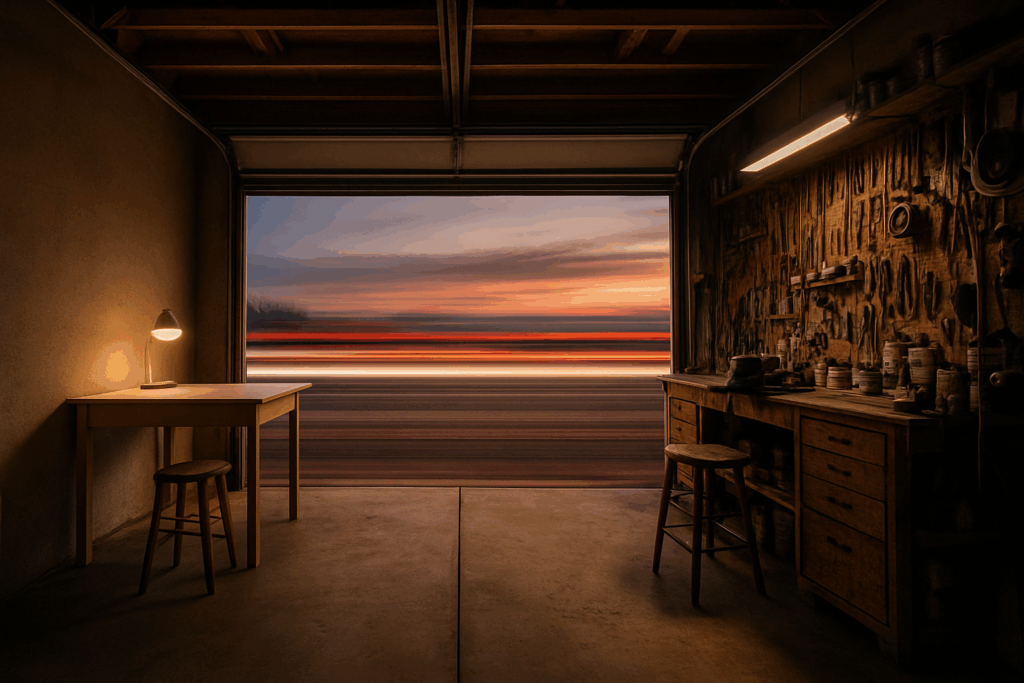
Minimalism isn’t cold or boring it’s intentional. Clean lines, fewer objects, and open space create a sense of clarity. It’s about stripping away the excess so only what matters remains. Think of walking into a room and instantly feeling lighter because there’s nothing shouting for your attention.
Maximalism is the opposite, and it’s not chaos it’s curated expression. Bold color palettes, varied textures, layered patterns. Every object has a story. The space feels alive, packed with personality. Done right, it doesn’t overwhelm it energizes.
These styles aren’t just looks. Minimalism reflects a mindset of control, calm, and chosen simplicity. Maximalism leans into abundance, individuality, and joy through detail. It’s less about trends and more about how you want your space and your daily life to feel.
See how they stack up in this design style comparison if you’re unsure where you land.
How to Tell Which One Fits You
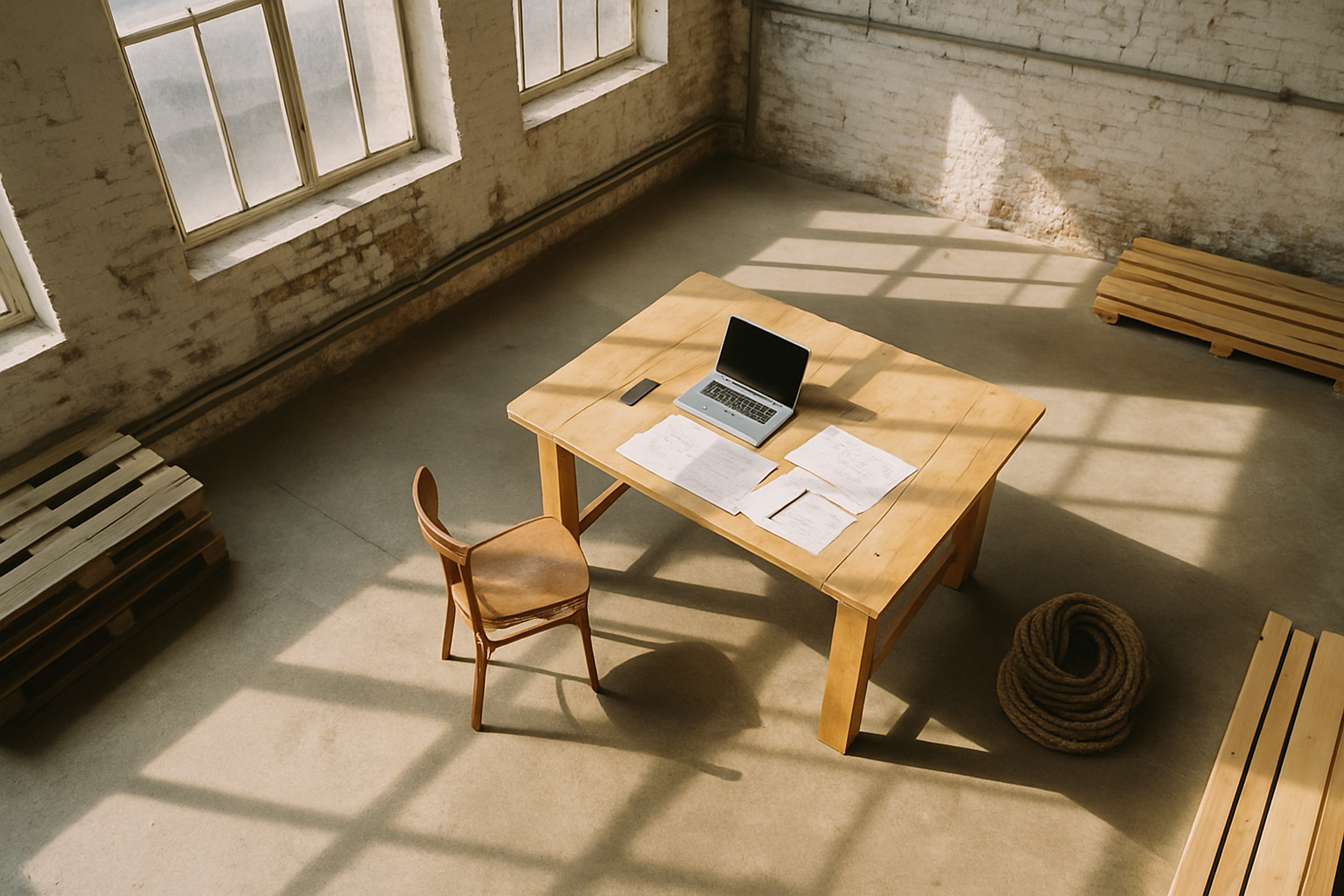
Start with your physical reality your space. If you’ve got an open plan loft with light flooding in, minimalism might feel natural. But if you’re in a snug, one bedroom apartment with odd corners and built in shelves, maximalism can make the space feel lived in and intentional instead of cramped.
Then there’s the stimulation factor. Some people thrive with blank walls and one thoughtful object on a table. Others need visual interest textures, patterns, books, layered lighting to feel awake and at home. If five colors in one room gives you a headache, minimalism might be your style. If bare shelves make you anxious, lean maximalist.
Your day to day habits matter more than what you’ve pinned online. Are you someone who clears surfaces every evening? Or do you find joy in adding little bits to your collection: a coffee mug here, a vintage photo there? These instincts say more about your design direction than any moodboard ever could.
In short: let your environment and your personality do the talking. Trends come and go, your habits are here to stay.
Blend If You Must
Commitment to one design camp minimalist or maximalist isn’t a rule you have to follow. Not everyone thrives in stark visual silence or colorful chaos. The good news is, your space can borrow the light, flow, and breathing room of minimalism without giving up on bold art, statement rugs, or a shelf full of your favorite things.
Blending works best when it’s intentional. Let emptier spaces become the canvas that showcases a few standout, personality filled pieces. A clean lined room can still carry pops of vibrant color and texture. It’s about balance not compromise.
Think of it as editing, not restricting. You’re curating how the elements talk to each other. If you’re unsure where to begin, check out this design style comparison guide. It’s a solid map for navigating between less is more and more is more, without getting lost.
Functionality Beats Rules
Style is just the surface. A well designed space has to carry its weight in your day to day life. Whether you’re filling every shelf with color or keeping it all sleek and airy, the real question is: does it work for you? Can you cook, work, rest, recharge without tripping over something or staring at bland walls that don’t reflect who you are?
Comfort and function aren’t optional. They’re foundational. That means investing in a chair you’ll actually sit in, not just one that fits a theme. Lighting that doesn’t just look good in photos but works for your midnight reading habit. Storage that keeps the chaos behind closed doors or on full display, if that’s your thing.
Color choice doesn’t have to follow a rulebook either. If beige calms you, go there. If neon makes you come alive, light it up. The space tells your story, and every item should support the way you live not some list of design dos and don’ts.
Final Take
Minimalism isn’t about bare walls or empty shelves it’s about choosing what truly matters and letting the rest go. It’s restraint, but with purpose. Meanwhile, maximalism embraces the opposite: more layers, more texture, more story. It’s expressive, personal, and unapologetically bold.
The catch? Neither one is automatically better. These are frameworks, not rules. What matters is what supports your lifestyle how you think, what you value, and how you move through your space.
If you thrive in calm, decluttered zones, minimalism makes sense. If you see a stack of books, a gallery wall, or vibrant fabrics and feel alive, maximalism is your lane. And if you want a mix? That’s valid too. Go all in, go hybrid, or switch it up with the seasons. Your space, your rules.