
What Makes a Focal Point Work
Creating a compelling room starts with knowing where you want the eye to land first. A strong focal point brings structure to a space, defines its purpose, and instantly elevates visual appeal. Whether it’s a dramatic fireplace, a statement piece of art, or a boldly colored wall, understanding how to build and balance focal points will transform how your home feels and functions.
Why Focal Points Matter
At their core, focal points are about intentional design:
They guide the viewer’s gaze, offering a visual starting point in the room.
They provide balance, anchoring other decor choices in scale, placement, and material.
They communicate mood or function, indicating where to linger and what feels important in the space.
Without a focal point, a room can feel directionless or overly busy leaving the eye wandering without rest.
The Power of Visual Weight and Contrast
Focal points are established not just by what you feature, but how. Key elements include:
Visual Weight: Larger objects, darker colors, or striking silhouettes naturally pull focus.
Contrast: Light vs. dark, smooth vs. textured contrast sparks attention. For example:
A crisp white wall makes a deep navy sofa stand out
A sleek modern coffee table on a plush shag rug adds instant dimension
Placement: Centering a focal piece above a mantel or anchoring it at the end of a hallway ensures it’s noticed immediately when entering the room.
Every Room Deserves a Feature
Regardless of size or style, each room benefits from at least one strong visual moment.
Examples include:
Living Room: A tiled fireplace surrounded by built ins
Bedroom: A bold headboard wall painted in a mood setting hue
Kitchen: A backsplash with intricate tilework or patterned stone
A focal point doesn’t need to be overwhelming it just needs to be intentional. When thoughtfully placed and well supported by surrounding elements, it brings clarity and cohesion to any space.
Using Color to Guide Attention
Color plays a powerful role in shaping how a room feels and where the eye lands first. By using it strategically, you can elevate your focal points and build a cohesive, visually compelling space.
When to Go Bold and When to Pull Back
The decision between bold and muted tones comes down to the mood you want to create and the features you want people to notice.
Bold colors (like deep navy, emerald, or burnt orange) create high contrast that immediately draws attention. Ideal for statement walls, focal furniture pieces, or accent decor.
Muted or neutral tones (think greige, soft taupe, or misty blues) offer a calming presence, perfect for when you want the focal point to feel integrated not overwhelming.
Use color saturation and intensity as tools to create emphasis or support harmony.
Strategic Color Blocking
Color blocking isn’t just for fashion it adds definition and hierarchy in home design too.
Around artwork: Use a concentrated backdrop color to frame and elevate a piece without adding more objects.
Fireplaces: Painting the arch or mantle in a contrasting tone makes the fireplace stand out, even in subtle palettes.
Built ins: Try a different tone or finish on the back wall of shelving units to bring depth and focus to curated displays.
Nature as a Color Anchor
Earth tones and organic materials often become focal points in a quieter, more grounded way. These elements add texture and warmth while anchoring the space naturally.
Plants: A large leafy plant in a sculptural planter can act as a visual magnet in whites or grayscale rooms.
Wood finishes: A reclaimed wood dining table or walnut cabinet brings instant weight and balance.
Stone surfaces: Fireplaces, counters, and accent walls in marble or slate make quiet but impactful statements.
A Note on Color Psychology
Beyond style, color affects how we feel in a room and that emotional response helps determine where our attention goes.
Warm hues (reds, oranges, yellows) tend to excite and energize, making them excellent for active zones or conversation areas.
Cool hues (blues, greens, lavenders) calm and recede better for restful spaces like bedrooms or reading nooks.
Balance comes from contrast and repetition: Echoing one standout color in smaller doses throughout the space helps unify the palette without overwhelming the design.
Use color as both a highlighter and a harmonizer, and your focal points will not only stand out they’ll feel right at home in the overall composition.
Layering Texture for Depth and Emphasis
Texture is the unsung hero of interior design. It doesn’t shout but it changes everything. The right surface can guide the eye, quiet a busy space, or inject a room with warmth without adding more stuff. Linen, velvet, rattan these aren’t flashy materials, but they know how to get attention in the right setting. Soft to the touch, matte or fibrous to the eye. They do the job.
Where color can dominate or distract, texture plays the long game. Try it: put a nubby wool throw near polished hardwood. Or stack rough ceramic against a lacquered black shelf. You start creating a kind of visual tension a quiet friction that makes the space feel designed, not decorated.
This approach comes in handy if you’re fighting clutter. Instead of filling shelves or piling on décor, build visual interest through contrast in surfaces. A single rattan chair next to a smooth concrete wall does more than three accent tables ever could. It’s about choosing fewer things more intentionally, and letting texture do the talking.
Room by Room Focal Ideas

Every space in your home offers an opportunity to establish a visual anchor something that immediately grabs attention and sets the tone. Thoughtfully chosen focal points can elevate the function and feeling of a room, whether you’re working with a cozy bedroom or a sprawling open concept layout.
Living Room: Commanding but Comfortable
The living room often wears multiple hats: it hosts guests, supports lounging, and sometimes serves as a media hub. A strong focal point creates order in multifunctional spaces.
Feature wall: A painted or wallpapered accent wall behind the sofa or TV can center the space effortlessly.
Fireplace: A naturally dominant feature; dressing the mantel with balanced decor reinforces its role.
Statement sofa: Choose a bold hue or unique shape to let the furniture speak for itself.
Bedroom: Personal Retreat with Personality
Here, comfort meets style. The bedroom focal point should feel intentional yet calming.
Upholstered headboard: Adds both visual and tactile softness, drawing the eye as a luxurious centerpiece.
Gallery wall: Group art or photographs above the bed to add height and interest.
Bold textiles: Patterned bedding, rich throw pillows, or an area rug can shape the visual energy.
Entryway: First Impressions That Last
Though often small, the entryway deserves design attention it sets the tone for the rest of the home.
Styled console table: Layer mirrors, lamps, and decorative objects to add height and interest.
Tile layout: Geometric or mosaic tile patterns on the floor can double as art underfoot.
Ceiling details: Statement lighting or painted ceilings can lead the eye upward and expand the space visually.
Open Concept Spaces: Focal Points Without Walls
It can be tricky to establish distinct areas in open layouts, but focal points can carve out visual zones.
Use furniture to define space: Position rugs and seating to create imaginary borders.
Color cohesion: Tie each zone together with a unified palette, while allowing each area its own hero feature.
Anchor with lighting: Pendant lights over a dining area or a unique fixture above the living space can define zones from above.
When designing focal points room by room, let function guide form. Each focal feature should serve a purpose while bringing beauty and balance to your space.
Drawing Inspiration Globally
Global design has always offered more than just style it brings history, meaning, and craftsmanship into the home. Think handwoven Turkish rugs worn soft by generations, or carved wooden screens that double as art. These elements do more than fill a space; they tell a story.
Right now, there’s a strong trend toward blending distinctly different cultures in ways that feel cohesive. Minimalist Japanese interiors clean lines, earthy palettes, restrained beauty are being paired with the bold color and intricate pattern of Moroccan design. It’s high contrast, but when done right, the effect is warm, grounded, and striking.
Texture plays a big role here. A neutral tatami mat looks even more refined next to a textured, jewel toned kilim. A raw wooden bench in front of a hand painted tile wall balances quiet with intensity. The key isn’t about matching origins it’s about matching intention.
To go deeper, explore interior styles worldwide and borrow cues that come with cultural weight. Blend textures, layer techniques, and approach your space like a map each piece holding a bit of your journey.
Balancing the Room Around the Focal Point
A well placed focal point can transform a space but it can’t do the work alone. The visual balance of an entire room hinges on how you support and highlight that anchor feature. From how you arrange furniture to how you layer light, every design decision should point back to what matters most.
Thoughtful Furniture Positioning
Your eye naturally follows lines whether it’s the edge of a sofa, the arm of a chair, or the outline of a coffee table. Positioning these pieces to guide the gaze is a subtle but powerful way to reinforce your focal point.
Angle major seating pieces toward the focal feature
Use rugs to frame the area and pull visual weight inward
Avoid blocking sightlines from entry points to the main design element
Symmetry and Scale: Balancing the Visual Equation
Too much symmetry can feel stiff, while none at all creates chaos. The goal is harmony.
Flank a central piece (like a fireplace or artwork) with matching sconces, plants, or shelves for clean symmetry
Anchor a large feature with equally weighted elements on the opposite side of the room
If the focal point is bold in color or texture, consider softer details nearby to avoid visual overload
Light as a Design Tool
Lighting highlights texture and color and it’s also one of the easiest ways to draw attention.
Use a combination of overhead lighting, accent lamps, and directional fixtures to layer illumination
Spotlight your focal point using track or recessed lighting
Warm tones often enhance cozy elements like wood or woven textures, while cool lights can sharpen contemporary features
Maintaining Flow and Emphasis
A focal point should stand out not interrupt. It’s essential to maintain movement through the space while honoring the visual anchor.
Keep pathways unobstructed
Let surrounding decor complement rather than compete
Repeat small cues from the focal point (like color or motif) throughout the room to create cohesion
When balance is done right, your focal point doesn’t just draw the eye it invites it to stay.
When to Break the Rules
Design guidelines are useful but not gospel. Sometimes the most striking spaces ignore the standard playbook and lean on instinct, not instruction. One of those rebel moves? Letting two focal points coexist.
Doing this well is about intention. Start by making sure each focal point is distinct but related. Think a bold fireplace paired with a large piece of art. Or a sweeping window view that shares focus with an oversized sculptural light. They shouldn’t compete for attention or for style. Instead, they should create rhythm. Let the eye travel between them naturally, not in confusion, but with curiosity.
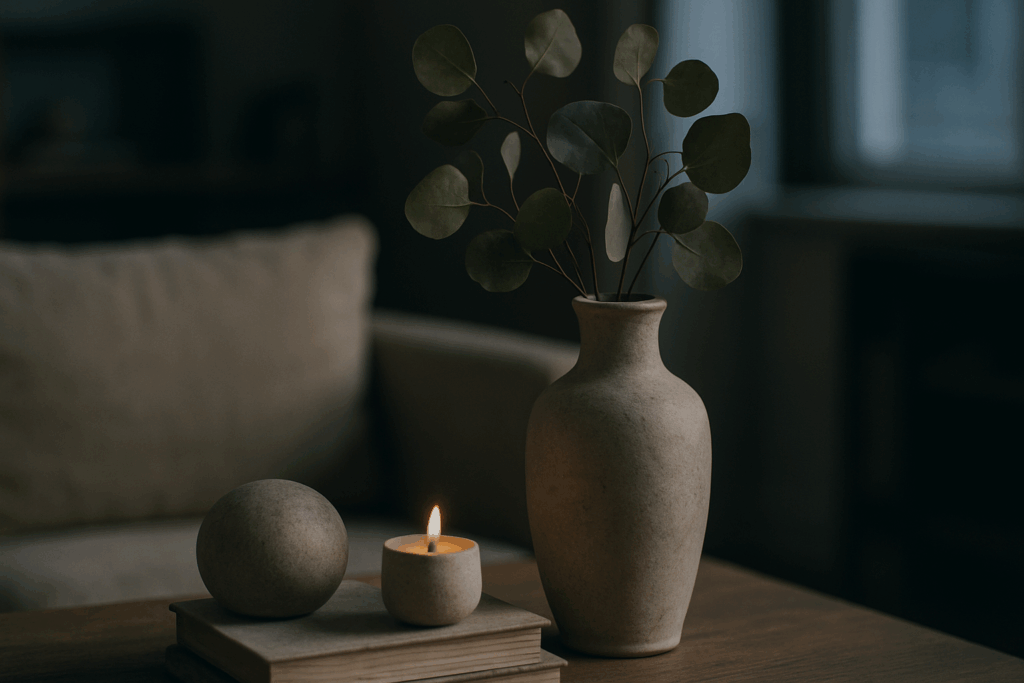
Neutrality, when used on purpose, can also hit louder than color or contrast. Sometimes, stripping the room to its essentials a warm plastered wall, a worn oak bench, a single dried branch creates a space that whispers with strength. Particularly in a world obsessed with overdesign, restraint speaks volumes.
The final rule to break? The idea that your gut is lying. Trends will suggest what’s “working,” but the real pulse of a room comes from trusting what feels balanced when you walk into it. Even the best rules bend when your choices are precise, personal, and grounded in visual honesty.