Bold Moves with Color
2026 is turning the volume back up on color, but not in ways we’ve seen before. Forget accent walls limited to living rooms or expected shades in predictable places. Designers are leaning into intentional color choices in unexpected zones think deep olive kitchens, rust toned ceilings, or cobalt built ins tucked under stairs. These aren’t loud for the sake of it; they’re precise, expressive, and loaded with personality.
Muted tones are losing steam as homeowners and designers opt for palettes with more saturation and nuance. Think less beige, more burnt sienna. The palette shift isn’t about overwhelming a space, but giving it depth playing with colors that make a room feel lived in, grounded, and quietly bold.
Pairing is strategic now. Earthy neutrals still frame most spaces, but they’re getting paired with high impact companions ochres, teals, merlots that give the room dimension without chaos. When done right, the contrast feels refined, not jarring.
If you’re unsure where to begin, start small: a walnut shelf with hunter green backing, a clay toned hallway, or just swapping in some statement textiles. Color’s power is in the intention, not the quantity.
See more in our guide to color trends 2026.
Smart Function Living Spaces
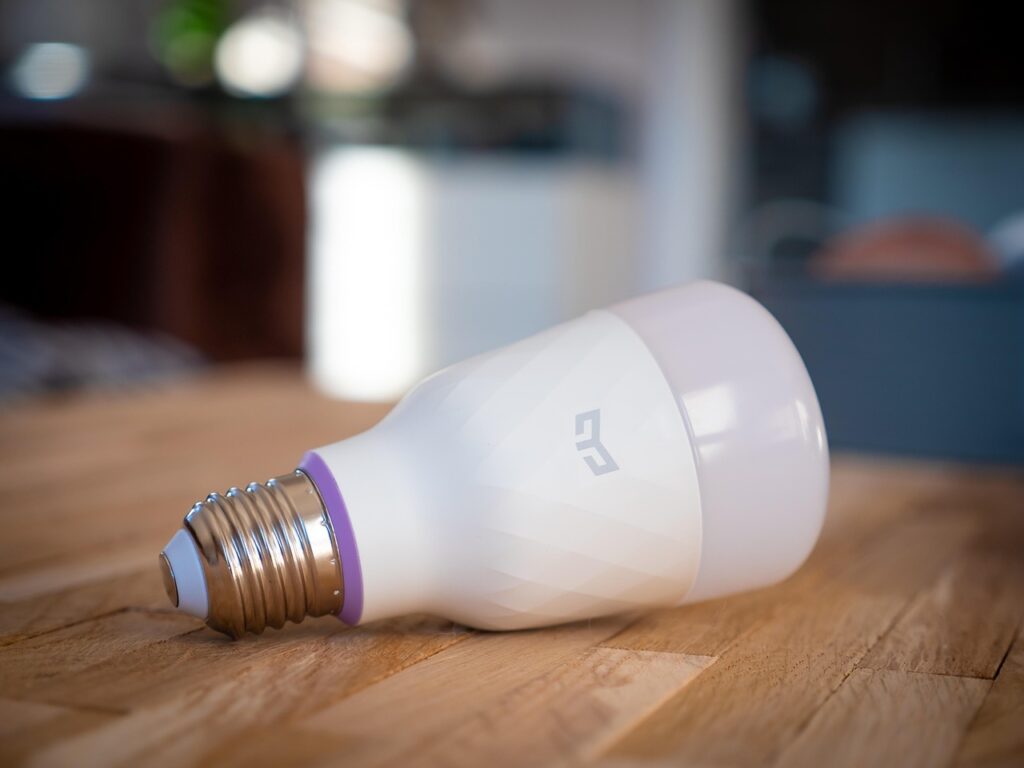
Function doesn’t have to sacrifice form. In 2026, interior design is leaning into smarter living by integrating tech that stays hidden in plain sight. Think wireless charging built straight into sideboards, speakers camouflaged as sculptural decor, and lighting that shifts color temperature with the time of day no bulky gadgets, no visual clutter. The goal is invisible utility wrapped in intentional design.
Furniture is also pulling double duty. Sofas with storage, expandable dining tables that don’t look like transformers, and ottomans that moonlight as workstations are becoming the norm. Designers are rethinking how every corner of a room can serve multiple needs without screaming for attention.
Remote life isn’t going anywhere, and the home isn’t just the new office it’s the new everything. Interior designers are responding with spaces that flex, not just for Zoom calls, but for downtime, workouts, and hobbies. Built ins that hide work materials at day’s end. Convertible nooks that toggle between yoga and brainstorming. The future of design is quietly adaptable and more intelligent than ever.
Natural Materials are Still King
There’s no ignoring the shift back to texture. Design in 2026 isn’t about gloss it’s about feel. Terracotta, travertine, and raw wood are leading the charge, bringing a grounded, tactile quality into spaces that were once polished to perfection. These materials aren’t just about looks they invite touch, wear naturally, and tell a story without saying a word.
Designers are doubling down on layering these organic elements. Think warm wood cabinetry paired with stone slabs, earth toned ceramics against matte walls, or rough linen against a concrete bench. The contrast isn’t loud, but it’s intentional. The subtle push pull of soft and solid, rough and smooth, gives rooms a lived in rhythm that feels honest.
And it’s not just aesthetics. Responsibly sourced materials aren’t a nice to have anymore they’re the baseline. Clients want to know where the wood came from, how the stone was quarried, and if the fibers in that rug actually mean something. This isn’t a passing trend; it’s a values shift. In the world of interior design, ethics now sit right beside elegance.
Circular Design: Sustainability with Style

Reclaimed materials are showing up in cleaner, sharper shapes. The rustic look has matured now we’re seeing barn wood transformed into sleek sideboards, and industrial scrap used in minimalist sculptural pieces. Designers are blending old and new in ways that feel intentional, not improvised. Circular design isn’t about nostalgia anymore; it’s about reimagining materials with precision.
Meanwhile, renting over owning is gaining steam. More people want interiors that evolve with them modular shelving that moves, reconfigurable seating, and lighting that folds into itself for easy relocation. It’s less about building a forever space and more about curating a flexible one. Think pieces that work in multiple rooms, or follow you across city lines.
Luxury interiors are also getting in on the upcycled game. High end doesn’t mean brand new it means thoughtful, rare, and ethically created. A one of a kind chair built from salvaged architectural beams can anchor a living room with more story than a showroom set ever could. And as eco conscious clients grow more design savvy, expect craftsmanship and circularity to become harder to separate.
The Power of Soft Geometry
Design in 2026 is embracing curves and contours in a big way. Soft geometry is steadily replacing sharp angles, giving interiors a more calming, organic feel. This aesthetic trend draws heavily from natural forms and fluid motion, allowing spaces to feel more welcoming and less rigid.
Curves Are Taking Over
Rather than harsh lines and blocky shapes, designers are opting for:
Arched corridors that soften transitions between rooms
Rounded edge furnishings that enhance comfort and flow
Curved built ins and architectural details that introduce elegance without excess
These elements allow for a visual rhythm that feels sculptural yet subtle.
Inspired by Nature
Soft geometry isn’t just stylistic it’s rooted in biomimicry. Designers are increasingly turning to nature for forms that feel instinctively balanced and soothing. Think of the curve of a wave, the arc of a leaf, or the smoothness of worn stone.
Shapes mimic natural lines found in landscapes and flora
Biophilic design influences encourage harmony and wellness
Interiors feel more emotionally intuitive and less manufactured
Motion Without Clutter
Done well, soft geometry introduces movement into a space without overwhelming it. The trick is in balance:
Use curves to guide the eye and improve flow throughout the room
Pair soft forms with muted tones or textured neutrals to ground the design
Limit the number of competing shapes to prevent visual noise
Soft geometry isn’t about trendiness it’s about evolution. It marks a shift toward design that soothes, comforts, and connects us to the world around us.
Micro Luxury Details
You don’t need to gut your space to feel a change. In 2026, thoughtful interior details are doing the heavy lifting. Swapping out generic fixtures for hand crafted hardware is the kind of micro upgrade that pays off instantly it adds texture, touch, and intent without screaming for attention. Same goes for bespoke lighting: think sculptural wall sconces or artisan pendants that feel more curated than commercial.
Marble is being reimagined, too. Designers are working with remnants offcuts and leftover slabs using them in subtly luxe ways. You’ll see them as inset shelving, side tables, or unexpected sink backsplashes. It’s sustainable without sacrificing aesthetics.
Glossy finishes are fading. Instead, we’re seeing a rise in tactile surfaces: brushed metal, matte limewash, stone with raw edges. These finishes offer character, not flash. It’s less about impressing and more about living beautifully, quietly, every day.
Color Confidence, Revisited
We’ve all heard about color setting the mood, but 2026 design is digging deeper into how deliberate hue choices can turn a passive space into a tuned in experience. It’s not just about aesthetics it’s about energy. Designers are thinking less about matching palettes and more about matching purpose.
That means soft, desaturated blues in kitchens to keep things calm and focused. Rich, rusty reds or citrusy yellows at entryways where you want movement and alertness. Bedrooms hold onto muted greens and earthy mauves not for trendiness, but because they slow the heart rate and signal rest.
The goal isn’t to follow a color chart it’s knowing what kind of shift you want to ignite in a room. Step away from the paints labeled “safe” or “timeless.” This is the year to get smarter and braver with color decisions that go deeper than surface.
For a full breakdown on what’s leading the charge, check out the latest color trends 2026.
What’s Worth Watching
Interior design in 2026 is pushing boundaries not with fleeting fads, but with enduring ideas that reflect our changing lifestyles and global inspirations. Here’s what’s earning the spotlight this year:
A Fusion of Influences
Expect to see more cross cultural design narratives, especially blends that prioritize harmony and functionality.
Nordic Japanese Hybrids: Clean lines, warm woods, and minimalist serenity define this union, where form and function coexist in peaceful balance.
Sculptural Layouts: Think of rooms as 3D art furniture and architectural features are arranged to guide movement and evoke emotion.
These approaches emphasize calm, intentional living perfect for a world looking to slow down without sacrificing sophistication.
Seamless Tech Integration
High function spaces aren’t relying on visible gadgets. Instead, technology is being woven discreetly into the fabric of interiors.
Adaptive Lighting: Illumination that shifts throughout the day to match natural rhythms, mood, or activity.
Air Purifying Decor: Surfaces, furnishings, and even concept walls that help regulate air quality, blending wellness with design.
Designers are no longer treating technology as an afterthought it’s becoming integral to spatial planning and user experience.
Return to Craftsmanship
While design continues to evolve, there’s a quiet return to pieces that last for both aesthetic and ethical reasons.
Timeless Design Elements: Forget trend hopping. Classic silhouettes, artisan built furniture, and organic materials are commanding attention anew.
Craftsmanship as Statement: Inlaid woodwork, custom joinery, and hand finished surfaces tell a story beyond the visual.
This shift isn’t about nostalgia it’s about creating interiors that respect both the past and the planet, while still looking forward.
Expect 2026 to reward design choices that are both grounded and forward thinking. The elements to watch aren’t about loud statements, but rather intentional storytelling through space, material, and technology.